Will the US Tighten Crypto Regulations?
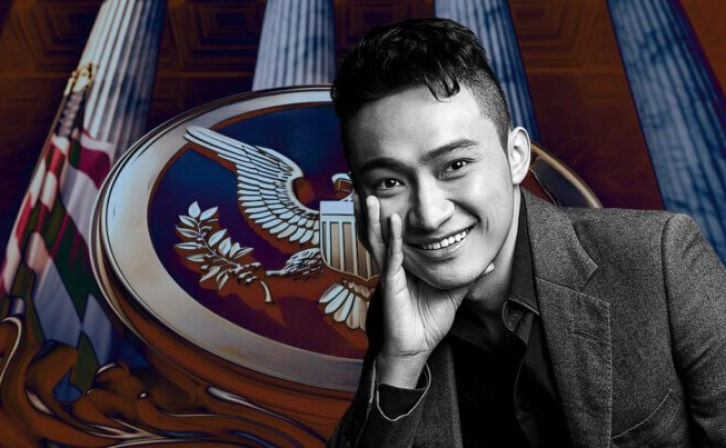
The cryptocurrency market in the US continues to grapple with regulatory uncertainties. The Securities and Exchange Commission (SEC) often battles over jurisdiction in its cases against crypto projects and tokens. The latest example of this situation occurred in the case filed by the SEC against Tron founder Justin Sun and some companies. On April 18, the SEC filed an amended complaint seeking to expand its jurisdiction based on Sun's alleged visits to the United States.
The complaint alleged that Sun and Tron-related companies were involved in unregistered offers and sales of BTT and TRX tokens. The SEC argues that these activities violate the Securities Act. But the important part of the case is the issue of whether the SEC has jurisdiction in the United States. Sun and his lawyers requested that the case be dismissed, arguing that Sun is not a US citizen and the companies do not operate in the US.
In the amended complaint, the SEC responds to this challenge. The new allegations suggest that Sun spent more than 380 days in the US between 2017 and 2019, taking business trips to cities such as New York City, Boston and San Francisco. The SEC argues that these visits prove that Sun is conducting business in the United States and is therefore subject to its jurisdiction.
Additionally, the SEC alleges that Sun and companies were involved in a “wash trading” scheme on the now-defunct cryptocurrency exchange Bittrex. Wash trading is a manipulation technique that involves placing both buy and sell orders simultaneously to artificially inflate trading volume and token prices. The amended complaint states that Bittrex is based in the United States and that Sun contacted Bittrex to list TRX around 2018.
Sun’s motion to dismiss also brought up alleged improper distributions at Bittrex. However, the defense stated that there was no evidence that any US residents had purchased TRX or that the effort to list TRX in the US had been successful. At this point, it remains unclear whether the SEC is making this claim to bolster its argument or is planning a separate accusation.
The lawsuit, filed in March 2023, was based on allegations that the sales were focused on investors in the Southern District of New York and that celebrity promoters contacted U.S. citizens via social media. But these claims did not adequately address the question of Sun and the companies’ physical presence in the United States. The amended complaint attempts to fill this gap.
This case highlights the complex nature of cryptocurrency regulation in the United States and the SEC’s struggle to establish jurisdiction. Regulators face a number of jurisdictional challenges due to the global nature of crypto projects. The SEC is trying to strengthen its jurisdictional claim in this case based on Sun’s visits to the United States. However, the outcome of the case could set an important precedent for the future of crypto regulations in the US. Lawyers and crypto experts are closely following this move by the SEC. It remains unclear how the Sun’s legal team will respond to the amended complaint and what the court’s decision on jurisdiction will be.