Will Transparency or Privacy Win in the Fight Against Money Laundering?
The emergence of cryptocurrencies such as Bitcoin has revolutionized financial transactions. However, this innovation brought with it some difficulties. Unlike the traditional banking system, cryptocurrencies are decentralized. This means there are no authorities to ensure that transactions are transparent. Although cryptocurrencies are recorded on blockchains, these records usually only show transaction amount and wallet addresses. The identities of real users remain private.
This has made cryptocurrencies attractive for anonymous transfers. However, this anonymity has provided advantages for legitimate users as well as those involved in illegal activities. Organizations combating money laundering and terrorist financing face challenges due to the anonymous nature of cryptocurrencies.
This is where crypto mixing services come into play. These services aim to reduce traceability by pooling different users’ cryptocurrencies and then transferring them to different wallets in smaller amounts. This process makes it difficult to identify the source of cryptocurrencies.
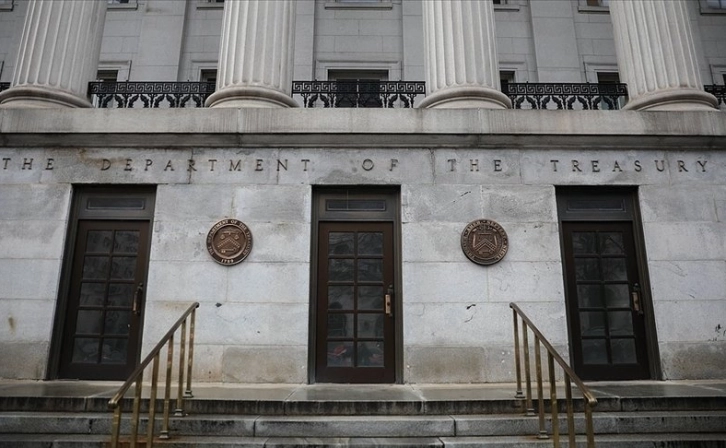
The US Treasury Department is concerned about the potential for crypto mixing services to be used for money laundering and terrorist financing. In 2021, North Korea-linked hackers allegedly laundered funds from cryptocurrency attacks through a mixing service called Tornado Cash. This incident has increased the Treasury Department’s determination to crack down on the cryptocurrency industry.
In 2023, the Treasury Department, through the Financial Crimes Enforcement Network (FinCEN), introduced a proposal to require cryptocurrency companies to report transactions involving mixing. This proposal was aimed to help combat money laundering and terrorist financing by making it easier to track the movements of cryptocurrencies.
However, the offer caused great repercussions in the cryptocurrency industry. Some industry representatives argued that the proposal would violate users’ financial privacy and hinder the adoption of cryptocurrencies. It was also stated that the offer would only cover companies operating in the USA and would not be enough to solve the problem at the international level.
Another concern was the technological feasibility of the proposal. Due to the anonymous nature of cryptocurrency transactions, detecting mixing activities can be technically difficult. Some experts argued that the proposal would only burden the industry and would not be effective in the fight against money laundering.
Brian Nelson, the Treasury Department’s Under Secretary for Terrorism and Financial Intelligence, sought to assuage industry concerns. In a statement at CoinDesk’s Consensus conference, he emphasized that the proposal is not intended to ban cryptocurrency mixing services. He stated that the main goal is to increase transparency and better track the movements of cryptocurrencies.
Nelson stated that he respects cryptocurrency users’ desire for financial privacy, but that this privacy should not serve illegal activities. He emphasized that the Treasury Department is open to collaborating with industry to develop solutions to combat money laundering and terrorist financing while maintaining a reasonable level of privacy.
At the heart of the debate is the balance between privacy and transparency. Cryptocurrency users demand more privacy compared to the traditional banking system. However, this confidentiality should not facilitate the use of cryptocurrencies for illegal purposes and should not threaten the integrity of the financial system. The Treasury Department and the cryptocurrency industry must work together to achieve this balance and meet users’ legitimate privacy needs while also combating money laundering and terrorist financing.