South Korea Cryptocurrency Exchange Traded Funds (ETF) Stalemate: Will It Follow the US?
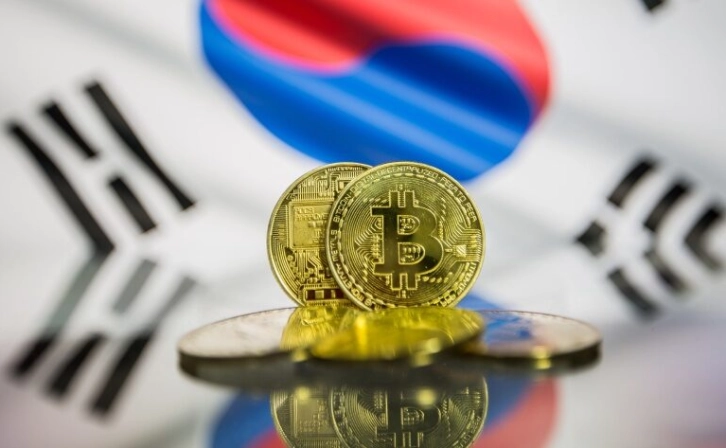
The repercussions of the U.S. Securities and Exchange Commission (SEC)'s approval of spot Ethereum ETFs last week have reached South Korea. This approval increased pressure on South Korea's financial regulators to approve similar cryptocurrency investment funds (ETFs).
This surprising development in the US market means, in a way, a change of paradigm. As recently as early May, most market players expected Ethereum ETFs to be rejected. However, the SEC’s positive decision is seen as a signal that a new era may begin in the US crypto market. This situation also attracted the attention of crypto investors and industry players in South Korea.
The Korea Times reported on Monday that the Financial Services Commission (FSC) and the Financial Supervisory Service (FSS) are cautious about allowing crypto assets to be traded in the traditional securities market. The FSC cited the Securities Act to justify its skepticism towards crypto ETFs. The law limits ETFs to the underlying assets. These assets are traditionally real financial assets or securities such as international currencies or commodities.
However, this situation created dissatisfaction among crypto investors and industry representatives in South Korea. Korean Shareholders Association Chairman Jung Eui-jung called for authorities to follow the US and approve ETFs for Bitcoin and Ethereum, according to reports. Jung believes this step is critical to prevent both traditional finance and digital asset investors from leaving Korea.
In his statement on the subject, Jung said, “Who wants to invest in a market that is lagging behind in a rapidly changing regulatory environment?” brought up the question. This question reveals how South Korea’s current cryptocurrency regulations are out of date and insufficient to attract investors.
Another dimension of the situation is that South Korean investors cannot access crypto currencies through traditional investment instruments. They do not currently have the ability to trade spot Bitcoin and Ethereum ETFs. Moreover, financial authorities in January shut down any hope of regulations allowing the sale of Bitcoin futures ETFs in the near future.
These decisions risk reducing South Korea’s influence in the cryptocurrency market. Investors can move their capital to other markets by turning to countries with more favorable regulations. This situation may negatively affect both the development of the crypto industry and tax revenues.
In March, Financial Supervisory Service Chairman Lee Bok-hyun acknowledged the internal controversy surrounding virtual assets. While He personally has a positive view, he said others within the organization are more cautious. Lee emphasized the importance of considering all perspectives and having open discussions before moving forward.
These statements by Lee reveal that South Korea has not yet made a clear decision on cryptocurrency regulations. Authorities are likely considering different opinions and trying to create a regulatory framework that supports the growth of the crypto market while protecting investors.
In a surprising development, South Korea’s robust cryptocurrency market came to the fore in the country’s parliamentary elections in April. Both major political parties saw an opportunity to attract voters with crypto-focused promises.
President Yoon Suk Yeol’s People Power Party has acknowledged the growing influence of the crypto industry and vowed to delay the implementation of a digital asset tax, a move that will likely appeal to crypto investors.
In contrast, the opposition Democratic Party has focused on loosening restrictions on ETFs, adopting a strategy aimed at attracting voters seeking easier access to cryptocurrencies on ETFs, including those that allow investment in U.S. Bitcoin products. This is an indication that different options are offered to South Korean crypto investors.
However, it remains unclear how this situation will shape up in the coming period. On the one hand, the positive approach of the USA towards cryptocurrencies may lead South Korea to take similar steps. On the other hand, the cautious approach of the authorities and delays in regulations may threaten South Korea’s leadership in the cryptocurrency market.
As a result, South Korea’s cryptocurrency market is at an inflection point. The new regulatory environment shaped by the leadership of the United States may also push South Korea to take a more positive attitude towards cryptocurrencies. This may have positive consequences for both investors and the crypto industry. However, if the authorities continue to approach cautiously, South Korea’s position in the cryptocurrency market may weaken and investors may turn to other countries.
The steps South Korea will take and the regulations it will implement in the coming period will determine the country’s future in the cryptocurrency market. Authorities should focus on creating a regulatory framework that will increase market confidence, support innovative approaches, but also protect investors. In this way, South Korea can continue to remain an important player in the cryptocurrency market.