White House Opposes Crypto Bill But No Threat of Veto
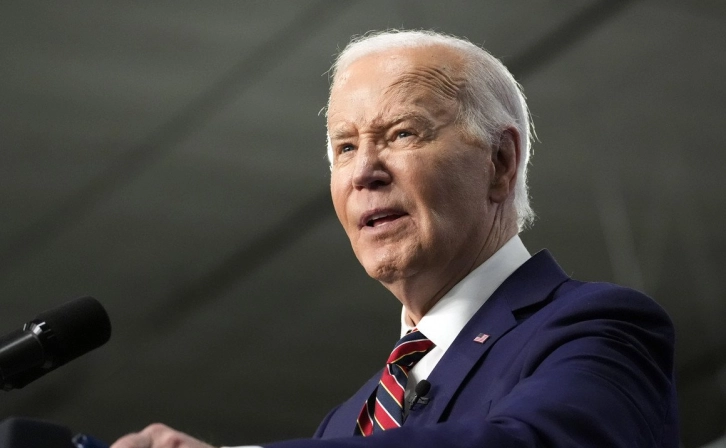
The White House is opposed to the US House of Representatives passing a crypto market structure bill, but the president is not threatening to veto it, which is seen as a positive sign for the crypto industry.
U.S. President Joe Biden’s White House said in an executive policy statement Wednesday that the administration opposes the Investor Protection Act if it passes Congress because of inadequate investor protections. The bill suggested that the White House wants to work with Congress on future regulations regarding crypto markets, contrary to Securities and Exchange Commission Chairman Gary Gensler’s previous statements that the crypto industry does not need additional regulation.
“We look forward to working with Congress on a comprehensive and balanced regulatory framework that will ensure the tools build on existing authorities that promote responsible development of crypto markets and payments innovation and help solidify the United States’ leadership in the global financial system,” he said. “H.R. 4763, in its current form, does not contain adequate protections for consumers and investors participating in certain digital asset transactions.”
It is the second executive policy statement issued in recent weeks after the administration threatened to veto a bill aimed at reversing controversial SEC accounting guidance. That bill quickly passed the House and Senate.
The statement came hours after SEC Chairman Gensler issued his own statement opposing the law, saying it would harm the regulator’s efforts to oversee traditional capital markets and crypto markets.
FIT21 will redefine how securities issuers must comply with existing federal law and Supreme Court precedent, the SEC chairman noted in his statement.
Proponents of the bill say U.S. law does not allow crypto companies to operate without the threat of civil lawsuits, a view Gensler described as these companies trying to avoid disclosure and other compliance requirements.
The bill would create a new definition specific to digital assets to determine when they are securities or digital commodities and whether the SEC or the Commodity Futures Trading Commission would be the primary market regulator. The House will take up the bill later Wednesday, with a vote taking place this afternoon.
“The White House looks forward to continued cooperation with Congress in the development of digital asset-related laws that create conditions for innovation that include adequate security safeguards for consumers and investors, and more time for such cooperation will be needed,” concluded Wednesday’s White House statement.