
Vitalik Buterin: Ethereum's Future Is Built on Empowerment
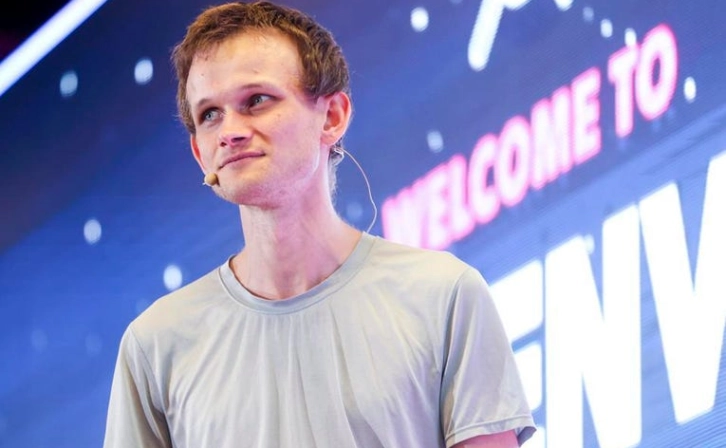
Ethereum co-founder and intellectual leader Vitalik Buterin gave an important speech at the Ethereum Community Conference (EthCC) in Brussels this week. His speech focused on strengthening the Ethereum blockchain from its most fundamental level, addressing an enthusiastic crowd of approximately 1,100 people.
In his presentation, Buterin discussed both the advantages of Ethereum being the largest smart contract blockchain and the challenges facing this ecosystem. Highlights of the speech included transaction censorship concerns and a proposal to raise the “majority threshold” that ensures the security of the blockchain from 75% to 80%.
Buterin emphasized that one of the biggest strengths of the Ethereum ecosystem is “a large and highly decentralized staking ecosystem.” This shows that deposited coins are distributed among different users to ensure the security of the network. In addition, the international and intellectual structure of the Ethereum community is also considered among the strengths of the ecosystem. In this way, different perspectives and technical expertise come together and contribute to the development of Ethereum.
However, Buterin emphasized that Ethereum also has its weaknesses and needs to be addressed. One of them is the high amount of 32 ETH required to become a validator on the blockchain. This makes it difficult for individual users to do “solo staking”. Solo staking means that deposited coins contribute directly to the security of the network, without any intermediaries.
Another weakness is that running Ethereum nodes is technically complex. This may hinder the expansion of the infrastructure that secures the network. But Buterin believes both problems are “easily solvable.”
In his speech, Buterin emphasized the importance of simplifying the Ethereum protocol. A complex and dispersed protocol can make management and security difficult. “If you want a robust ecosystem, it needs to be simple,” he said, advocating that the protocol be stripped of unnecessary features.
He also cited the 51% risk of the blockchain being hacked. In this type of attack, invalid transactions can be confirmed by taking over the majority of the network. Although Buterin said he assumed the community would come together in such a situation and punish the attacker, he expressed doubts about coordination and long-term sustainability.
As a more concrete proposal in his speech, Buterin brought up increasing the “majority threshold” from 75% to 80%. This threshold represents the fraction of validator votes required for a transaction to be considered valid on the blockchain. Increasing the threshold can make it easier to recover from chain attacks.
Buterin emphasized that the future of Ethereum depends on continuous work to capitalize on its strengths, address its weaknesses, and meet the high standards of the community. This speech can be considered as a sign that Ethereum will focus on strengthening both its technical infrastructure and community structure in the coming period.
In conclusion, this talk at EthCC reveals important ideas from one of Ethereum’s leaders about the future of the network. Considering both the current advantages and solving the challenges encountered can ensure that Ethereum remains at the forefront of blockchain technology in the coming period.