June Elections in the EU May Change the Crypto Agenda
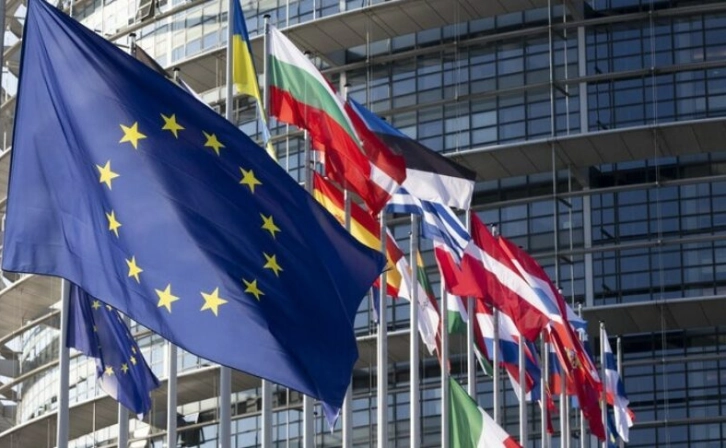
Elections in the European Union in June may affect legislation regarding cryptocurrencies. While new representatives of the crypto industry may take part in the legislative bodies after the elections, it is also possible that the current representatives will be re-elected to the parliament. However, industry players want to see more forward-thinking representatives.
In the European Union, where more than 370 million voters have the right to vote, 720 MPs will be elected to the Parliament this June. While the focus of technology policy has shifted to artificial intelligence (AI), organizations in the blockchain sector are trying to prove that this technology is critical to the union’s digitalization efforts.
The EU has already established the world’s first comprehensive cryptocurrency rules, with stringent anti-money laundering measures for the industry. However, with revisions likely to be made to the MiCA (Markets in Crypto Assets) regulation and the political future of its two key architects uncertain, Europe’s crypto sector is bracing itself for change.
Change could mean a number of things, such as losing a few MPs who know the sector thoroughly or a slowdown in new policy-making. Even more challenging is shaping the sector’s new role in a discourse focused on artificial intelligence - something the EU has already begun to legislate for.
Earlier this year, four leading EU industry groups joined forces to pen a manifesto pledging to promote the use of blockchain technology to avoid being left behind in the “global race” to a digital economy.
The groups say the timing for the manifesto is crucial given “the upcoming elections and political changes that Europe will face this year” and advocate for continued work on blockchain.
“While we recognize the inherent value of technologies such as artificial intelligence, virtual reality and robotics, we believe that blockchain will serve as the trust layer for the overlap of all these technologies, allowing them to build on each other and form the framework of the digital economy of the future,” the manifesto says.
The associations’ hope is that a new and desperately younger parliament is approachable, at least as far as digitalisation is concerned.
For crypto and blockchain policy in particular, political parties may be less important than the age of MPs, according to Robert Kopitsch, secretary general of Blockchain for Europe and one of four industry associations that prepared the manifesto.
“If you have cryptocurrencies in your pocket, you’re much more open to the idea that this will be part of the future economy, right? Because you have it, you know how it works, you understand it,” Kopitsch said in an interview.
Marina Markezic, co-founder of the European Crypto Initiative (EUCI), another association that collaborated on the manifesto, said young politicians are also likely to be more tech-savvy.
“So it might be easier to talk to them about blockchain technology,” Markezic said.
But according to Benedikt Faupel of German digital industry association Bitkom, things could potentially slow down “because we don’t know how the elections will turn out.”
Markezic said crypto policy in the European Parliament (EP) did not initially have much support and was spearheaded by “mostly three or four people.”
Kopitsch and Markezic agree that Greek politician and former MEP Eva Kaili is the driving force behind cryptocurrencies in the government. While Kaili’s expulsion from Parliament over a high-profile bribery scandal was seen as a blow to his policy efforts, MiCA achieved its outcome thanks to German MP Stefan Berger.