
Milestone in Crypto Regulation: Coinbase's Gensler Request
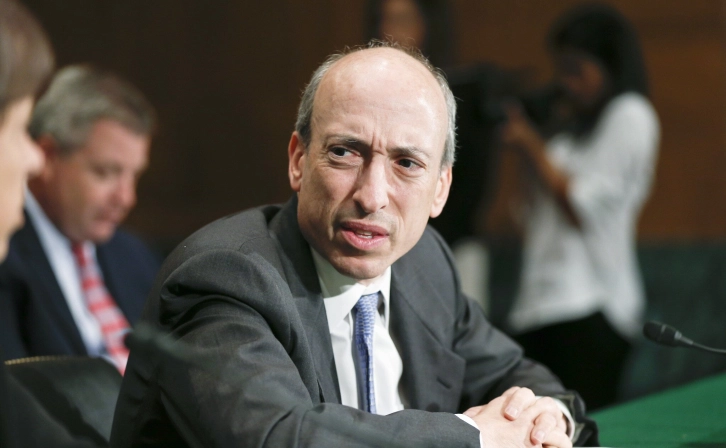
Crypto exchange Coinbase has narrowed the scope of its subpoena against United States Securities and Exchange Commission (SEC) Chairman Gary Gensler.
Initially, the exchange had requested access to SEC Chairman Gary Gensler’s private communications, both current and past. However, after Judge Katherine Polk Failla showed reluctance to the request, Coinbase will now only request records from Gensler’s term, which begins in April 2021, according to the latest filing on July 15.
Coinbase’s legal representatives have previously argued that Gensler’s private chats dating back to 2017 would provide information necessary for their defense. They believed this information could show how Gensler’s views on crypto regulations had evolved. Before his appointment, Gensler was teaching the “Blockchain and Money” course at the Massachusetts Institute of Technology in 2018 and is known as a name with in-depth knowledge on this subject.
However, Judge Failla expressed serious concerns that reviewing Gensler’s statements before his presidency would impose an undue burden and therefore require a disproportionate effort. Therefore, the court decided that the scope of the subpoena should be narrowed.
Coinbase is expected to file its opening brief to force document production on July 23, and the SEC will have to respond by August 5. During this time, both parties will present their arguments and the court will consider these arguments before making the final decision.
In June 2023, the SEC accused Coinbase of violating federal securities laws by treating 13 tokens as securities, calling the platform an “unregistered securities broker” since 2019. These accusations could seriously impact Coinbase’s business model and operations. Coinbase disputes these accusations, arguing that the listed tokens do not qualify as securities and therefore should not be subject to SEC regulations.
Coinbase also accused the SEC and the Federal Deposit Insurance Corporation (FDIC) of blocking document requests under the Freedom of Information Act (FOIA). This further complicates Coinbase’s relationship with regulators. Coinbase argues that these documents will help them better understand the SEC and FDIC’s stance on cryptocurrencies and digital assets.
Amid these legal complexities, Coinbase’s stock prospects appear to be improving. Bank of America raised its rating on Coinbase shares from downgrade to neutral, raising its price target to $217 from $110. This upgrade indicates that Coinbase’s business model and growth potential are being re-evaluated by the market. This decision by Bank of America was met with a positive reaction among investors and increased the value of Coinbase shares.
This legal process experienced by Coinbase once again reveals how uncertain and complex the regulatory environment of cryptocurrencies and digital assets is. Although cryptocurrencies are a rapidly growing and developing field, regulatory authorities are still unclear how they will handle this new asset class. Coinbase’s struggle in this process may also set an important precedent for other cryptocurrency exchanges and digital asset platforms.