The Rise and Future of Cryptocurrencies in Europe

A revolutionary change is taking place in the financial world, and traditional banks are trying to quickly adapt to this change. Cryptocurrencies were once considered fringe assets, but they are now becoming an important part of the mainstream financial world. Europe, particularly led by Switzerland, is leading the way in integrating crypto assets into the existing banking system.
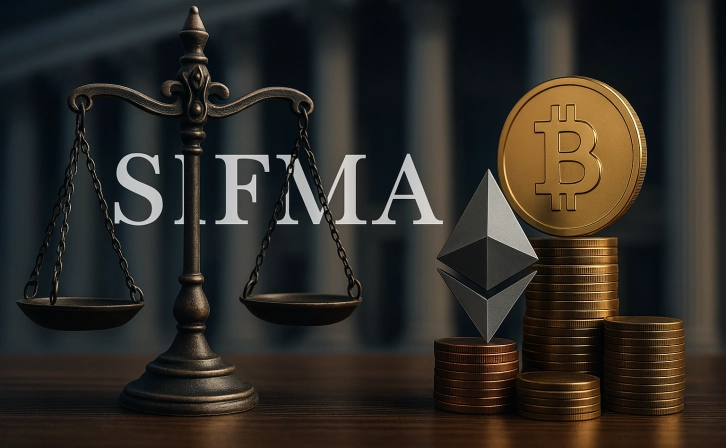
Switzerland is taking important steps towards the use of cryptocurrencies in daily life. Some Swiss citizens can now even buy their morning coffee with cryptocurrencies. They can go even further and pay their taxes with cryptocurrencies such as Bitcoin and Ethereum. These initiatives make Switzerland a leading player in Europe’s crypto finance and are setting standards in regulations to attract new businesses.
The European Union recognizes the potential of crypto assets and closely follows developments in this field. The Crypto-Assets Markets Regulation (MiCAR), which will come into force in 2025, will provide a comprehensive regulatory framework for cryptocurrencies across Europe. This step aims to enable businesses and consumers to operate in a safe environment.
Experts believe that cryptocurrencies offer many advantages over traditional financial systems. Blockchain technology provides significant progress in terms of transparency and efficiency. Transactions recorded on a public ledger reduce costs by reducing the role of intermediaries. Additionally, cryptocurrencies’ inherent encryption is notable for their acceptance as a secure store of value.
Although the potential of the crypto world is great, it faces a number of challenges. The existence of more than 13,000 cryptocurrencies creates an unregulated landscape, which poses a challenge for regulators. Harmonizing regulations in Europe is seen as an important step to ensure the protection of consumers and the prevention of money laundering. Integrating crypto and traditional finance requires managing complex compliance requirements.
Despite all these challenges, experts believe that crypto payments have a bright future. The convergence of blockchain technology with traditional finance can offer possibilities that go beyond day-to-day transactions. Converting assets into digital tokens could change the world of investing and make it possible to use stocks for everyday transactions.
Switzerland sets an example for Europe when it comes to crypto regulations. The Swiss Crypto License enables crypto businesses to operate in compliance with AML regulations. This, combined with clear legal guidelines for ownership of crypto assets, inheritance and bankruptcy protection, creates a secure crypto ecosystem.
The world of traditional finance is on the verge of a major change. Cryptocurrencies have now become an inevitable reality and Europe is leading the way in integrating them into the current system. There may be difficulties in this transformation process, but the potential benefits of transparency, efficiency and innovation cannot be ignored. Even traditional bank customers are now asking questions about accessing cryptocurrencies. This consumer demand may be the most powerful force shaping the future of finance, and Europe is playing a leading role in this change.