Stablecoin Usage Is Rapidly Increasing in Brazil
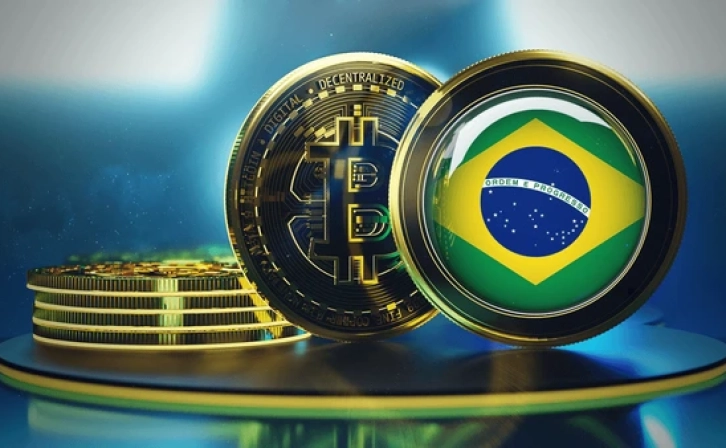
Latest data reveals that stablecoin transaction value on local exchanges has increased well above Bitcoin.
This is considered a reflection of the increasing use of stablecoins in B2B cross-border payments. According to data from blockchain analysis firm Chainalysis, Latin America is the second fastest-growing region in the world for stablecoins, with an annual growth rate exceeding 42%.
Between July 2023 and June 2024, Brazil received approximately $90.3 billion worth of cryptocurrencies, according to New York-based data from Chainalysis. This figure becomes the second largest buyer in the region, after Argentina.
While Bitcoin still enjoys significant popularity, stablecoins are increasingly preferred on local exchanges. This is associated with increased demand for stable assets such as the US dollar, especially due to instability in the local currency in Brazil.
Chainalysis states that stablecoin transaction value on Brazilian exchanges increased by 207.7% annually. This rate is quite remarkable compared to other cryptocurrencies such as Ethereum.
Although Brazil faces challenges such as a weakening real and slowing economic growth, there are growth opportunities in the cryptocurrency sector. “Given that regulators are opening up their approach to the technology, there are still opportunities for crypto growth,” Chainalysis said.
Especially the entry of major exchanges such as OKX and Coinbase into the Brazilian market shows that stablecoins will continue to be an important force in the country’s crypto ecosystem.
Interest in stablecoins is not limited to Brazil. Other regions in Latin America are experiencing a similar increase.
For example, Sub-Saharan Africa’s crypto economy has become a major component of stablecoins, accounting for approximately 43% of the region’s total transaction volume. This situation causes users to turn to stablecoins, which they see as a stable asset.
Ethiopia particularly stands out as an example of this change. The recent 30% depreciation in the country’s currency has led to a 180% increase in stablecoin transfers at the local level.
This data reveals how countries such as Brazil and Ethiopia are witnessing significant changes in the cryptocurrency market and the role of stablecoins in this process.
Brazil’s stablecoin market is experiencing significant growth both locally and internationally. Cryptocurrency investors are increasingly choosing stablecoins, thanks to uncertainties in the local currency and the improving regulatory environment.
The continuation of this trend in the future indicates a great potential for both the economy and the cryptocurrency ecosystem.