The Rise of Stablecoins: The US Is Being Left Behind
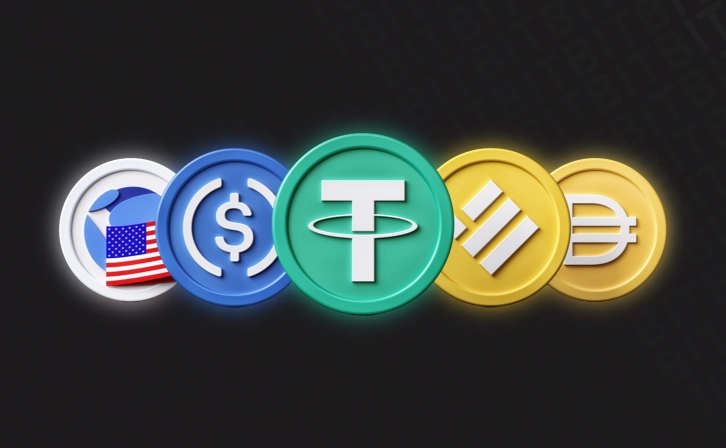
Increasing demand for US dollar-backed stablecoins and regulatory uncertainty in the US are two key reasons why stablecoins are growing rapidly in other regions.
According to a report published by Chainalysis on October 17, stablecoin adoption in the US in 2024 has slowed significantly compared to global markets. While the rate of stablecoin transactions in the US fell from around 50% in 2023 to less than 40% in 2024, stablecoin activities on exchanges outside the US increased to over 60%.
This shift does not indicate a sharp decline in stablecoin usage in the US, but rather reflects the rapidly increasing role of stablecoins in emerging markets and regions outside the US.
The increased adoption of stablecoins outside the US is driven by increasing global demand for US dollar-backed assets, especially in developing countries. In countries with limited access to the US dollar or other stable currencies, stablecoins stand out as stores of value.
According to Chainalysis’ report, according to the US Federal Reserve’s estimates, more than $1 trillion in cash is held outside the US by the end of 2022. This shows increasing global demand for the US dollar and the use of stablecoins for storing value and cheaper transactions around the world.
Tether CEO Paolo Ardoino stated that the main demand for stablecoins comes from developing countries such as Argentina, Türkiye and Vietnam.
The Chainalysis report confirms these observations, highlighting that stablecoins are growing rapidly in markets outside the US. The decrease in stablecoin activities in the USA is largely associated with this trend.
Another reason why stablecoin adoption in the US is slowing down is regulatory uncertainty in the US. Stablecoin firm Circle notes that the lack of a clear regulatory framework in the US is quickly pulling stablecoin projects in other regions such as Europe and the United Arab Emirates.
“The absence of a U.S. regulatory framework for U.S. dollar-referenced stablecoins poses a threat to American interests,” Circle’s spokesperson said in the report. Chainalysis’ findings also support this view.
Chainalysis emphasizes that more countries are developing regulations that encourage stablecoins and that the United States should take precautions against its decline in this area. As markets outside the US encourage the rapid growth of stablecoins with more favorable regulatory environments, pressure on US politicians is mounting.
While many countries are creating clearer regulatory frameworks to attract stablecoin projects, the United States is struggling to keep up with this trend.
The rapid growth of the stablecoin market outside the USA shows that stablecoins are increasingly gaining ground in digital asset markets around the world, and the USA is lagging behind in this regard.
Regulatory uncertainty and policies on stablecoins in the US are slowing the growth of this asset class. On the other hand, regions such as Europe and the United Arab Emirates are rapidly growing the stablecoin market with their more positive regulatory approaches and challenging the US leadership in this field.