NFT craze coming to Bitcoin with Ordinals Protocol
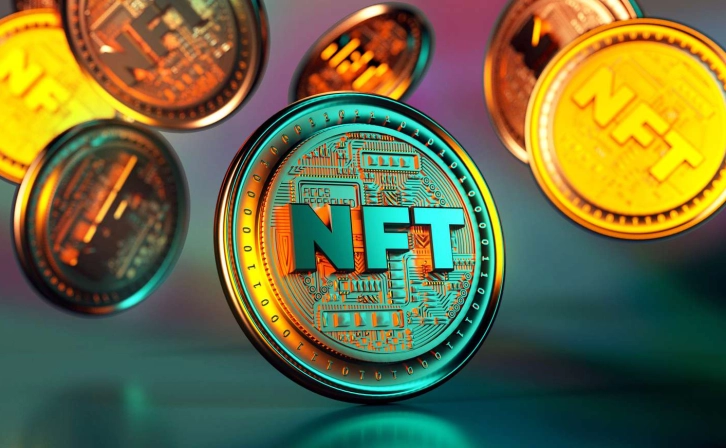
Launched in January 2023, Ordinals Protocol opened the Bitcoin ecosystem to the NFT craze. It allowed users to write data such as images, art, videos and more into individual Bitcoin units called satoshi.
The idea of bringing NFTs to the Bitcoin network might have seemed pointless to some. However, some saw Ordinals as an important step for the Proof-of-Work blockchain. Bitcoin is now not only an inflation-busting digital currency, but can also be turned into an NFT, like a digital piece of art or a piece of music.
The arrival of Ordinals enabled NFT minting directly on the Bitcoin blockchain for the first time. This idea belongs to former Bitcoin Core contributor and Ordinals creator Casey Rodarmor.
Ordinals represent a system in which serial numbers are assigned to satoshis. In this way, each is given a unique identifier that can be tracked across transactions and allows users to add additional data (inscriptions).
A few months after Ordinals emerged, an anonymous developer pioneered BRC-20, a token standard that extends Bitcoin functionality by supporting the issuance and transfer of fungible tokens through a protocol.
The tentative standard — which uses Ordinal inscriptions to embed token data directly on the blockchain — has been a revelation: Less than a year after Ordinals’ launch, the ambitious BRC-20 meme coin ORDI has surpassed $1 billion in market capitalization.
According to Dune Analytics, approximately 66.5 million inscriptions have been made on satoshis. Considering that there are 100 million satoshi in one Bitcoin, we still have a way to go before the inscriptions are equal to an entire coin. Meanwhile, the dollar amount generated by Ordinals fees exceeds $417 million.
In the under 18 months since the official launch of Ordinals, many meaningful milestones have been recorded, from the release of the first Ordinals Collection (Bitcoin Shrooms), to the arrival of the first inscription service (OrdinalsBot) and the success of the aforementioned ORDI.
One of the biggest milestones was the launch of a Bitcoin NFT marketplace on Magic Eden. This set the stage for heavy trading of Bitcoin-based BRC-20 NFTs, similar to the Ethereum NFT boom in 2021.
The key difference to note is that Ethereum NFTs are created using smart contracts based on standards such as ERC-721 and ERC-1155. This essentially means that NFT data can be stored on different layers of the Ethereum blockchain or even the InterPlanetary File System, and NFTs can benefit from greater functionality. In contrast, Bitcoin NFTs are recorded directly on the eponymous blockchain.
Another point of difference relates to transaction fees. Since Ordinals are stored on-chain, transaction fees are higher. Ethereum NFTs, on the other hand, can be stored off-chain and therefore benefit from lower fees.
Because NFT royalties work through smart contracts and Bitcoin is not a smart contract network, Ordinals does not provide creators with royalty income from resales of their work. However, there are initiatives aimed at giving smart contract capability to Bitcoin, covenants are an example of this.
While some have decried Ordinals for bringing DeFi corruption to Bitcoin, Ordinals and BRC-20 were praised by the likes of Vitalik Buterin last summer.