Morocco Reviews Cryptocurrency Bans
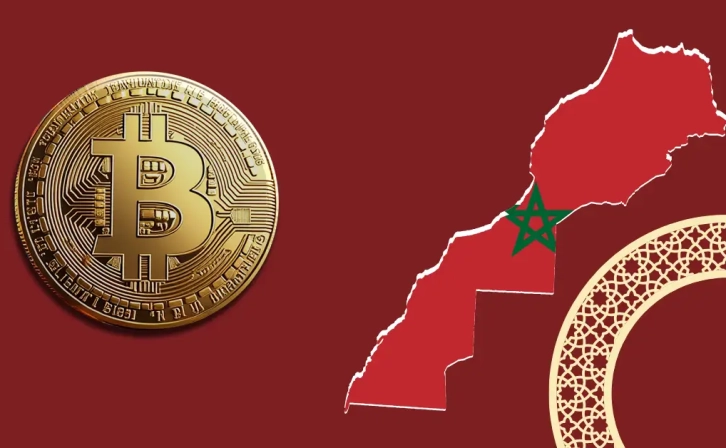
Morocco is reconsidering its cryptocurrency ban and drafting regulations to accelerate adoption in this area, amid the rapid rise of global blockchain technology.
Morocco, which banned Bitcoin and other cryptocurrencies in 2017, failed to prevent the interest in digital assets after this decision. By late 2023, almost 5% of Moroccans were found to use digital assets. This enabled the government to consider future regulations more carefully.
Abdellatif Jouahri, President of the Central Bank of Morocco, announced that efforts are continuing for cryptocurrency regulations in the country and that these legal regulations will begin to be implemented soon.
Jouahri stated that the new laws prepared by Bank Al Maghrib will be adopted very soon. However, no clear information has yet been given about the date when digital currencies will be officially legitimized. The steps taken by Morocco in this field are being watched carefully not only locally but also globally.
Following Morocco’s decision to ban digital assets, many countries around the world have begun to realize the potential benefits of digital currencies, and some have backed away from bans.
For example, Hong Kong announced its own regulatory framework at the beginning of the year, a move that has established it as a global innovation hub for digital assets. Additionally, the United Kingdom announced plans to unveil digital asset regulations by 2025.
In the USA, laws regarding cryptocurrencies were developed with the administration of President Donald Trump. This process has provided significant support for Senator Cynthia Lummis’ Bitcoin reserve bill, and it is thought that this proposal could be approved by Congress.
In Morocco, the illegality of cryptocurrencies has encountered resistance among users. Interest in cryptocurrencies continued despite the ban in 2017, and by 2023, approximately 5% of the population in Morocco was transacting with digital assets.
This situation has made it necessary for the government to develop a more flexible approach towards cryptocurrencies.
At this point, Morocco’s decision to legitimize digital currencies through regulations rather than making them illegal could make a great contribution to the country’s financial system and economy.
Another important issue that Morocco is working on is the central bank digital currency (CBDC). Jouahri stated that they are evaluating whether CBDC “will contribute to achieving certain public policy goals.”
Central bank digital currency could create fundamental changes in countries’ financial systems and increase economic efficiency. CBDC is also seen as an important part of the process of regulating digital assets.
The global growth of digital assets and the opportunities offered by blockchain technology have led countries to reconsider their regulatory frameworks.
Many countries aim to provide legal frameworks for digital assets by changing their skeptical attitudes towards cryptocurrencies. The steps taken by Morocco constitute an important example of how future digital asset laws will be shaped.