Kakaopay shares increased by 200 %with the stablecoin move: crypto reforms accelerate in South Korea
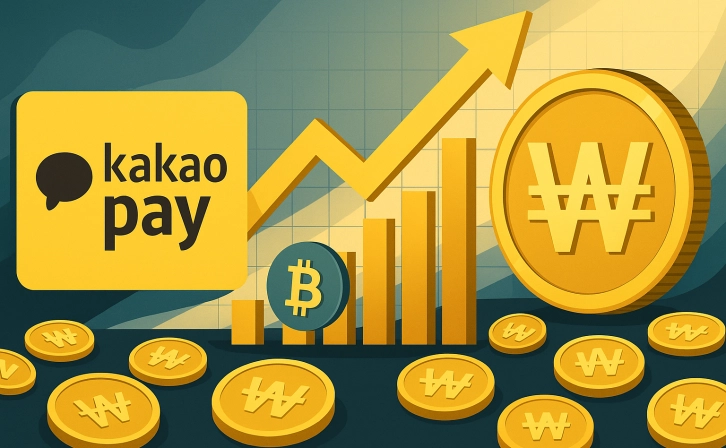
South Korean payment giant Kakaopay's shares increased by 208 %in the last month. Behind this ascension, the company's six different stablecoin patents and the new president Lee Jae Myung's stablecoin -friendly policies lie.
Kakaopay’s shares rose by 208 %with the stablecoin move: South Korean is preparing for the crypto revolution
South Korea’s mobile payment giant Kakaopay experienced a remarkable increase in its shares in the last month with the reflection of Stablecoin -oriented moves on the market. The company’s share of 30,800 Won on May 23, as of June 22, rose 94,700 Wona. This increase is not only the interest of investors, but also the expectation of increasing stablecoin throughout the country.
This rapid rise in the company’s shares is directly linked to the newly elected President Lee Jae Myung’s policies that support Stablecoins. Lee announced that stablecoins supported by the local currency will be supported in cooperation with the private sector. At the same time, accelerated law proposals in the parliament were brought to the agenda.
💡 Kakaopay’s stablecoin plans become clear
Last week, Kakaopay applied for a patent for six different stablecoins:
🔹 PKRW
🔹 KKRW
🔹 KRWP
🔹 KPKRW
🔹 KRWKP
🔹 KRWK
These symbols represent Kakaopay and Korean Won (KRW) integration. Applications were made in electronic, financial services and IT development categories. These stablecoins include crypto money transfer, intermediary services, electronic payment and token export.
Speaking to Zdnet Korea, Kakakaopay officials said that patents are aimed at “preparation for regulation expectation”. This step is also seen as the signal of the company’s vision to directly export stablecoins.
💰 Kakaopay stablecoin
According to the report published by Eugene Investment and Securities, Kakaopay is the company that can benefit the most of the stablecoin developments in South Korea. The company’s users’ users collected $ 429 million in prepaid balance is ideal for creating the presence of collateral behind stablecoins.
According to the report, “When Stablecoins replace payments and transfers, token’s ability to export to token depends on the size of collateral. Kakaopay’s model is fully adapted to this structure.”
🌐 Global crypto regulations affect South Korea
This mobility in South Korea is in parallel with the regulation process in the United States. Genius Act, which passes through the US Senate, has a global impact on the legalization of Stablecoin, while South Korea is trying to prepare its own local stablecoin ecosystem.