
Italy Puts the Brake on Crypto: Are There Any Limitations on MiCA or Are Cautious Steps Being Taken?
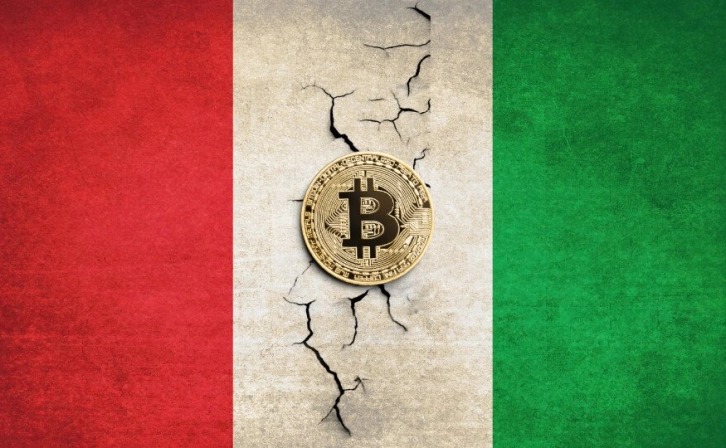
The European Union (EU) has taken an important step in regulating crypto assets. This regulation, called Market in Crypto Asset Regulation (MiCA), aims to protect investors and ensure financial stability by creating a framework for the issuance and trading of crypto assets.
However, different approaches stand out regarding how EU member states will integrate MiCA into their national laws. At this point, it seems that Italy will impose some limitations on MiCA application and adopt a cautious approach.
Statements by Bank of Italy Governor Fabio Panetta provide clues about the country’s interpretation of MiCA. Panetta states that MiCA’s recognition of electronic money tokens (EMT) and asset-referenced tokens (ART), which can be used as payment instruments, may create incompatibility with Italian laws.
Under MiCA, organizations issuing both EMT and ART must obtain approval from authorities to operate in the EU. But Panetta notes that Italy is likely to only allow EMTs. This may be due to Italy’s view of ARTs as more risky and its desire to restrict activities in this field.
Italy’s decision to selectively implement MiCA has not yet been finalized. However, this approach reveals the country’s desire to regulate the cryptocurrency market more cautiously. Several factors may lie behind this cautious attitude:
High Volatility Concerns: The high volatility of crypto assets compared to traditional investment instruments makes regulators nervous as they want to protect investors from sudden price changes. Italy may also share these concerns and prioritize investor protection.
Financial System Stability Concerns: The proliferation of crypto assets has the potential to destabilize the traditional financial system. With the way it interprets MiCA, Italy may be trying to reduce the potential risks of crypto assets on the banking system.
Fighting Against Market Manipulation: The cryptocurrency market is an area that is not yet fully mature and is potentially open to market manipulation. Italy aims to deter such activities by introducing harsher penalties for crypto-related crimes with its proposed legislation.
Italy’s cautious approach to MiCA implementation may have both positive and negative effects on the cryptocurrency market and investors. On the positive side, this approach can protect investors from the risks of high volatility and ensure the stability of the financial system. However, on the negative side, it can hinder innovative crypto applications and limit investors’ access to crypto assets.
Regulation of the cryptocurrency market across the European Union is not yet fully established. The way different countries interpret MiCA will significantly impact the future of the cryptocurrency market. Italy’s cautious approach may lead other EU countries to take similar measures.
However, considering the dynamic nature of the cryptocurrency market, regulations will need to be updated and improved over time. At this point, cooperation and dialogue between EU countries and cryptocurrency market players are critical for creating a stable and sustainable crypto ecosystem.