
Cryptocurrency Theft at Woori Bank: Internal Security Vulnerability and Increasing Risks
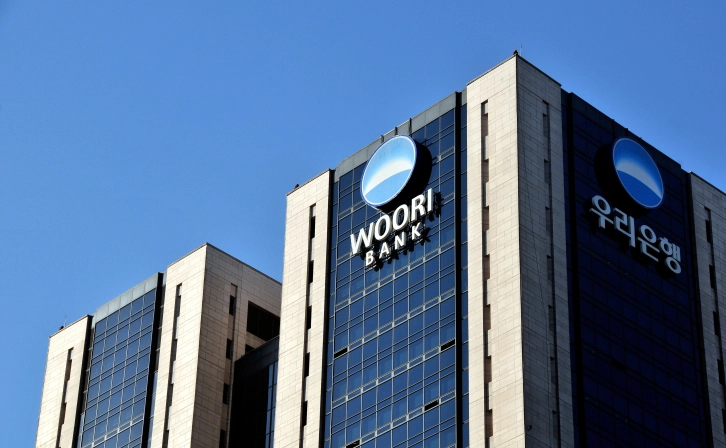
South Korea's financial world was shaken by a stunning security breach at Woori Bank. An unnamed employee of the bank attempted to steal $7.3 million with the ambition of increasing his personal wealth by taking advantage of the rapid rises in the cryptocurrency market. This incident revealed the weaknesses in the internal security measures of not only Woori Bank but all financial institutions and the dangers brought by the increasingly popular cryptocurrency market.
The bank employee went to the West Gimhae Police Station in South Gyeongsang Province on June 10 and admitted that he used the stolen money in cryptocurrency investments. Investigators found that the employee, who was in his thirties, invested the stolen money into cryptocurrency ventures in hopes of earning high returns.
However, most of these investments failed and unfortunately approximately $4.35 million of the stolen money evaporated. Beyond theft, this situation also reveals how uninformed the employee is about the high volatility of the cryptocurrency market and the risks that come with it.
Woori Bank had in fact already detected the loss of funds through its internal monitoring systems, regardless of the employee’s admission. The stolen money was reportedly embezzled from accounts related to loan transactions. This calls into question the seriousness of the bank’s internal control mechanisms. The bank’s failure to initiate an internal investigation or detect suspicious activity before the confession reveals a serious weakness in its security measures.
Following the incident, South Korean police accelerated the investigation. More information is being gathered in cooperation with Woori Bank and an arrest warrant is expected to be issued soon. The bank promised to conduct a comprehensive audit and review its internal control measures. This audit is very important to prevent similar incidents from recurring and reduce future security risks.
Woori Bank plans to seek compensation from the embezzling employee for the stolen funds. However, the recovery of the lost $4.35 million remains uncertain. This incident also sheds light on the volatility of the cryptocurrency market and the high risks of such investments. The employee, acting with the dream of getting rich quickly, lost both his career and a significant amount of money. This situation serves as a warning to anyone considering investing in the cryptocurrency market.
This incident also points to the increase in cryptocurrency crimes in South Korea. In February, the country’s Financial Intelligence Unit (FIU) detected 16,076 suspicious transactions. This number has increased by 48.8% since 2022. This shows that the cryptocurrency market has become attractive for criminals and that activities such as fraud and money laundering are becoming increasingly common in this market. Authorities are considering creating a special investigation unit to combat these crimes.
The incident at Woori Bank reveals both the weaknesses in the security measures of banks and the dangers brought by the cryptocurrency market. This incident should encourage South Korean authorities to tighten regulations on digital assets and take stronger measures to prevent cryptocurrency crimes. At the same time, people who invest in cryptocurrencies need to be aware of the volatility and high risks of this market. It is important to consult investment experts and be aware of potential losses before being tempted by the cryptocurrency market.
Finally, this incident also questions the relationship of traditional financial institutions with digital assets. The Woori Bank incident should prompt banks to consider how they will adapt to the rise of digital currencies and protect their customers from risks in this new market. While the future of the cryptocurrency market remains uncertain, strengthening security measures, tightening regulations, and raising investor awareness will be critical steps to make this market safer for both users and the financial system.