How Will Trump's FDIC Plan Affect the Crypto Industry?
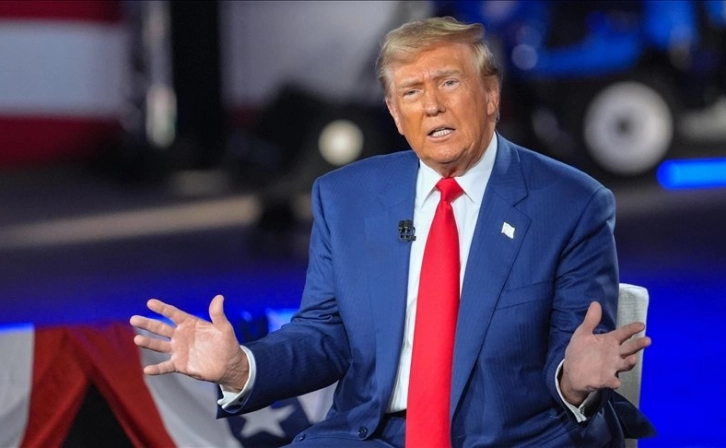
The Wall Street Journal reported that President Donald Trump's transition team is considering changing the structure of the Federal Deposit Insurance Corporation (FDIC) or eliminating it altogether.
It was stated that Trump’s advisers asked candidates for regulatory positions about the feasibility of merging the FDIC with other agencies or transferring its functions to the Treasury Department.
These initiatives are seen as part of a broader effort to reduce federal oversight and simplify financial regulation under Trump’s proposed Department of Government Efficiency.
It is a matter of great curiosity how these changes may affect the financial sector and what they mean especially for the cryptocurrency market. According to the WSJ, Trump’s team is also working to merge or restructure parts of the FDIC, the Office of the Comptroller of the Currency and the Federal Reserve.
However, it is stated that these moves will require Congressional approval and will face both political and industrial resistance.
Trump’s previous statements, particularly his pro-crypto stance and appointment of crypto-friendly candidates, have signaled a loosening of regulations regarding the crypto industry. This created a positive impact among crypto investors and created expectations that regulators might start to become more accepting of cryptocurrencies.
Sheila Bair, former FDIC Chairman, noted that banks often rely on their relationships with particular regulators, and changing the current regulatory structure may be opposed by banks.
The changes targeted by Trump aim to reduce restrictions on financial institutions and create a more efficient regulatory framework. In particular, shrinking the FDIC may offer significant opportunities to the cryptocurrency industry.
Cryptocurrencies can integrate into traditional financial systems with fewer regulatory hurdles. This could lead to wider adoption of decentralized finance (DeFi) and blockchain-based projects.
With the shrinking of the FDIC, the perception of financial security may also change. If the deposit insurance protections offered by traditional banks diminish, crypto advocates can highlight the transparency and security benefits of blockchain and direct users to alternative investments.
This could particularly accelerate the adoption of decentralized hedges such as stablecoins and other digital assets.
The crypto market could benefit from the relaxation of traditional financial controls. Bitcoin and other digital assets, in particular, may see opportunities for greater adoption and growth. However, such changes may impact not only the industry but also consumer confidence.
Less scrutiny of the traditional financial system could allow cryptocurrencies to be accepted as alternative safe havens.
Trump’s plans to shrink the FDIC could be a turning point for both the cryptocurrency industry and the overall financial system. Broader acceptance of cryptocurrencies and the creation of greater integration opportunities may become more possible with such regulatory changes.
However, the challenges and political resistance that traditional financial institutions may face in this process may affect the pace of these changes.