
How Did Iran - Israel Tension Affect the Crypto Market?
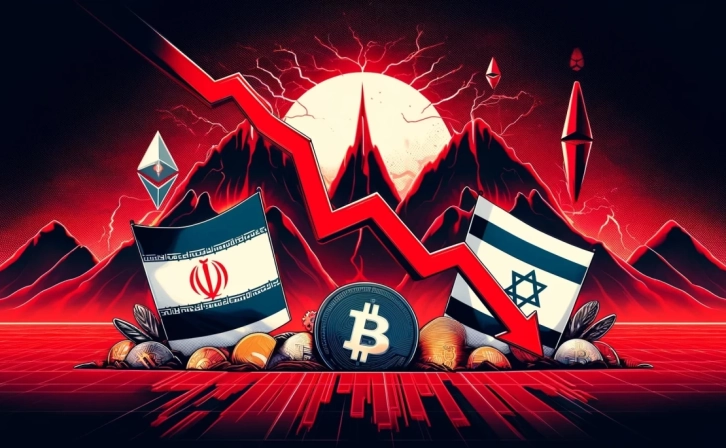
The cryptocurrency market has been on a roller coaster ride recently. Last week, geopolitical tensions triggered by Iran's drone and missile attack on Israel made investors nervous. This situation caused significant decreases in the value of many cryptocurrencies, especially Bitcoin. However, the known resistance of cryptocurrencies also showed itself in this difficult period. The market recovered rapidly due to the decrease in tension and the impact of positive developments.
The tension between Iran and Israel was the most important factor that negatively affected the cryptocurrency market. Investors started to move away from risky assets, especially Bitcoin, by turning to safe havens. As an indication of this situation, the price of PAXG (tokenized gold), which is seen by investors as a gold-like store of value, rose by 20% in a short time. However, as the tension calmed down, the market began to recover. The fact that Israel did not launch a retaliatory attack with the mediation of the USA led investors to turn to cryptocurrencies again. This situation was also reflected in the data of the market forecasting platform Polymarket. While platform users saw the probability of Israel taking military action against Iran by April 15 as 57% earlier in the week, this rate dropped to 4% as tensions eased.
Beyond geopolitical tensions, one of the other important factors affecting the cryptocurrency market was the US tax season. Cryptocurrency sales by investors increase during the tax period, which disrupts the supply-demand balance in the market and affects prices downwards. In addition, the upcoming Bitcoin halving also creates uncertainty in the market. This could lead to a decrease in supply and an increase in prices. However, experts such as analyst Arthur Hayes predict that the difficult dollar liquidity conditions with the halving may increase the selling pressure.
Despite all these negative developments, there are positive expectations on the horizon. The prospect of the launch of Bitcoin and Ether ETFs, especially in Hong Kong, has investors excited. ETFs enable traditional investors to gain easier access to cryptocurrencies. This could significantly increase the demand for cryptocurrencies, especially in large economies such as China. Investment firm Matrixport estimates that the launch of Hong Kong ETFs could create up to $25 billion in new demand for cryptocurrencies. This development has a significant potential for the future growth of the cryptocurrency market.
As a result, although the cryptocurrency market has been up and down recently, it is on the rise. Positive developments such as the easing of geopolitical tensions and Hong Kong ETFs are rebuilding investors’ confidence in cryptocurrencies. Although uncertainties such as tax season and Bitcoin halving continue, the innovative structure and potential of cryptocurrency technology will continue to attract investors in the long term. Time will tell what course the cryptocurrency market will follow in the coming periods. However, the dynamic structure of this market and constantly evolving regulations are also an indication that there may be exciting surprises in the future.