Is Hamster Kombat banned in Uzbekistan?
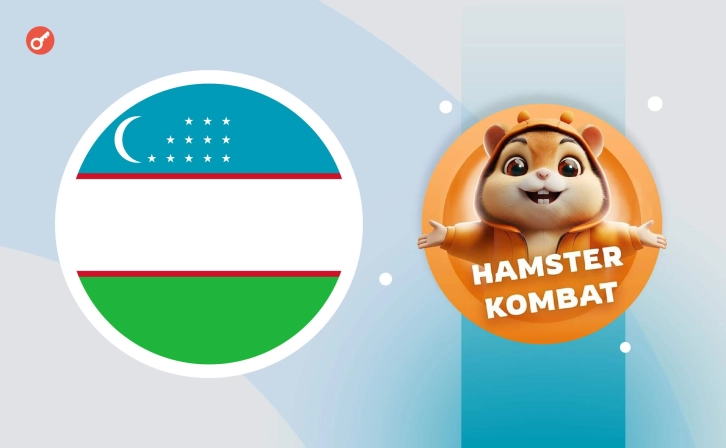
Players in Uzbekistan can breathe a sigh of relief over the uncertainty surrounding the legal status of the popular Hamster Kombat game. Authorities did not ban the game, but stated that they may impose strict rules on the sale of in-game tokens. This situation makes it difficult for players to convert their winnings into cash and questions the limits of Hamster Kombat's "play and win" games.
Hamster Kombat is a clicker game that has recently become popular on the Telegram platform. It has simple gameplay where players improve their hamsters and earn rewards by clicking on the screens. However, the actual value of these awards becomes a bit blurry.
In its statement on June 25, Uzbekistan National Agency for Promising Projects (NAPP) emphasized that Hamster Kombat is different from traditional “play and win” games. According to NAPP’s statement, in-game tokens are not cryptocurrencies or NFTs (non-fungible tokens) with real value. These tokens exist within the game’s own closed ecosystem and cannot be moved outside the game.
Unlike “play to win” games that give players valuable assets, tokens earned in Hamster Kombat have only in-game value. This shows that the game can be fun, but it is difficult to make serious money.
While NAPP clarifies the legal status of the game, it also raises the possibility of integrating in-game tokens into blockchain technology. In this case, in-game tokens will become real crypto assets and the game may come closer to the “play and win” concept. However, this may require a long process, both technically and legally.
What really worries players in Uzbekistan is the uncertainty regarding the sale of in-game tokens. NAPP states that players can sell their tokens only after they are officially approved as a crypto asset and listed on an exchange platform that complies with regulations in the country. This may lengthen the process for players to cash out their winnings and cause them to deal with bureaucratic procedures.
Additionally, NAPP emphasizes that such crypto assets often lose value in a short time “due to their lack of a useful function.” This statement reveals that players may be at risk of their potential winnings becoming worthless.
Uzbekistan’s stance on this issue shows that the cryptocurrency market is still in the inspection phase. While the authorities try to protect players from potential risks, they also aim for the healthy development of the cryptocurrency ecosystem.
The Hamster Kombat incident also constitutes an important example for the future regulation of “play and win” games. The legal status of the game and restrictions on the transfer of value of in-game assets call into question the future of these games in terms of both entertainment and earning potential.
The points that Uzbekistan players should follow closely in the coming period will be the new statements to be made by NAPP and the future of the Hamster Kombat game, which can potentially be integrated with blockchain technology.