The Future of the European Union in Cryptocurrency Regulations

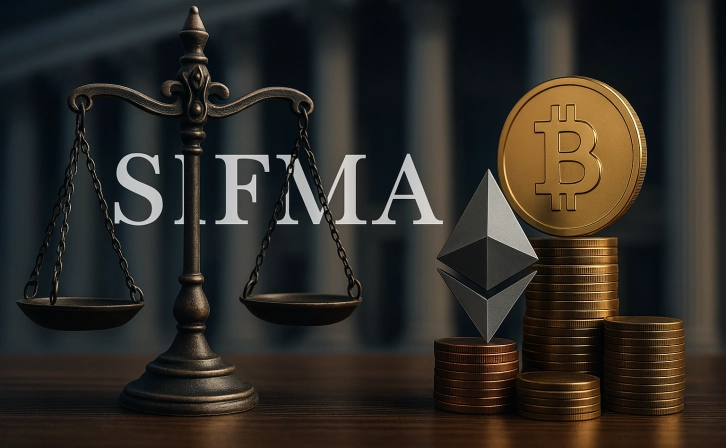
In the face of the growing popularity of cryptocurrencies, the European Union (EU) is faced with the need to create a harmonious regulatory framework across the continent. In this context, European Commission Vice President for Asset Management, Helene Bussieres, announced in a recent speech that the EU will focus on harmonizing cryptocurrency rules.
One of the most important points emphasized by Bussieres is “harmonization and unification.” These concepts mean that EU member states should take a consistent approach on how to regulate cryptocurrencies. This is not the case right now. Some member states, like Germany, have a more open approach to crypto, while others, like Ireland, are more cautious. This discrepancy creates confusion for investors and cryptocurrency companies and also leads to inequalities in the market.
The European Securities and Markets Authority (ESMA) is reviewing the UCITS eligible assets directive to consider whether to allow UCITS funds to have indirect exposure to crypto. This scrutiny could provide indirect access to crypto by allowing UCITS funds to invest in crypto exchange-traded notes (ETNs) or other financial instruments tied to crypto performance.
However, there is still inconsistency between member states’ regulators. Germany allows UCITS funds to invest in ETNs thanks to its delta one exemption, but Ireland does not currently allow any indirect crypto exposure.
The European Commission is also focusing on another important area regarding cryptocurrency regulation, the Retail Investment Strategy (RIS). RIS aims to protect retail investors and protect them from being misled into inappropriate investment products. In this context, the Commission wishes to avoid conflicts of interest in investment advice.
However, the final version of RIS has been the subject of controversy. The European Parliament has decided to lift the ban on incentives from RIS, which has been significantly diluted with a recommendation for only free sale of funds. This change has raised concerns that it could increase conflicts of interest and direct investors to higher-fee products.
The Commission made clear that the UCITS review and RIS-related updates are part of a broader effort to harmonize cryptocurrency regulations. The EU aims to protect consumers and the market while encouraging innovative developments in the cryptocurrency sector.
However, the harmonization process is fraught with difficulties. Apart from the different approaches between member states, the rapidly changing nature of cryptocurrencies also poses a challenge for regulators. Moreover, the controversies at RIS show how difficult it is to strike the balance between conflicts of interest and the protection of retail investors.
The EU’s initiative to harmonize cryptocurrency rules could be a positive development for both investors and the crypto industry. A consistent regulatory framework could boost investor confidence and allow cryptocurrency companies to operate more easily across Europe. However, there are still obstacles to overcome on the road ahead. As the EU moves forward with discussions on harmonization, it will have to balance protecting consumers and the market while encouraging innovation.