
EU Approves Anti-Money Laundering Laws Targeting Cryptocurrencies
The European Union (EU) has taken an important step in the fight against money laundering and terrorist financing and adopted new laws including cryptocurrencies. This comprehensive package envisages stricter regulations and transparency measures for cryptocurrency exchanges and other related entities.
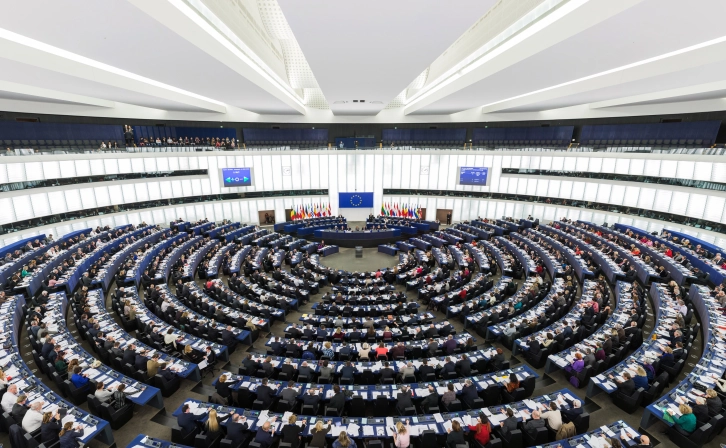
The European Parliament took an important step in this field on Thursday, April 26, by adopting a new legislative package to combat money laundering and terrorist financing. This comprehensive package targets cryptocurrencies, large cash payments, football clubs and other financial services and organizations.
In addition to creating a single set of rules across the EU, the new laws also envisage the establishment of a new anti-money laundering authority based in Frankfurt. This authority will inspect the activities of organizations considered especially “the most risky”.
So, what do these new laws mean and how will cryptocurrencies be affected?
Tighter Regulation and Greater Transparency
New laws require stricter customer recognition procedures (KYC) for cryptocurrency companies. This means cryptocurrency exchanges and other relevant organizations must more thoroughly verify the identities of their customers and report suspicious activity to authorities.
This situation is considered as a development that will shake the long-standing concept of anonymity in cryptocurrency markets. With enforcement of the law, it may become more difficult for criminals to use cryptocurrencies for money laundering or terrorist financing.
Is the Crypto Industry Worried?
Experts who closely follow cryptocurrency policies in the European Union express concerns that the conditions applied to crypto assets may be stricter compared to other financial sectors. This could increase bureaucratic barriers to the cryptocurrency industry and limit innovation.
However, on the other hand, it is also thought that tighter regulations could benefit the cryptocurrency markets in the long term. Because regulations can create a more reliable environment for legitimate investors of cryptocurrencies and increase confidence in the markets.
More Power for Journalists and Civil Society
An important innovation of the new laws is that they provide beneficial ownership information to individuals and organizations with a “legitimate interest”. In this way, journalists, media professionals and non-governmental organizations will be able to more easily identify the real owners of companies registered in national registry. This may lead to greater transparency of the activities of companies, especially those suspected of money laundering.
Future Expectations
New laws approved by the European Parliament will also come into force after being approved by the legislative bodies of EU member states. Once this process is completed, we will be able to see more clearly what impact the new laws will have on the cryptocurrency industry and efforts to combat money laundering.
However, it is certain that other countries are also following this step of the EU closely. Therefore, the EU’s approach could set an important precedent for regulating cryptocurrency markets on a global scale.