Attention Cryptocurrency Investors! Are Cryptocurrencies Banned in Nigeria?
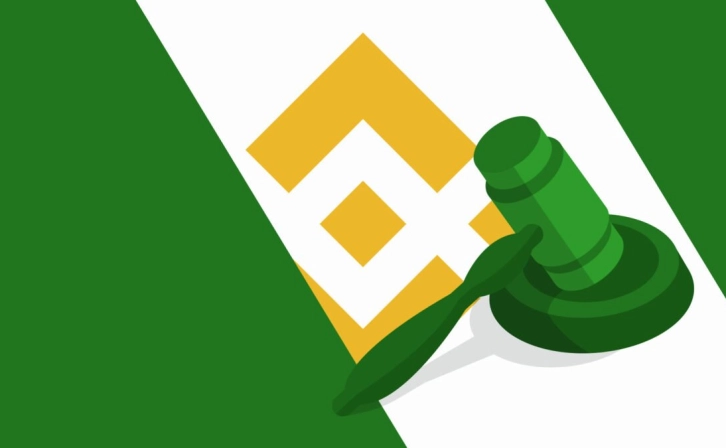
The cryptocurrency market in Nigeria is entering a period full of uncertainties with recent developments. The postponement of the tax evasion case filed against the Binance cryptocurrency exchange, combined with the increasingly tightening regulations on crypto, raises questions about the country's crypto future.
The case, which began in April, began when Nigeria’s Federal Inland Revenue Service (FIRS) alleged that Binance and its executives Tigran Gambaryan and Nadeem Anjarwalla were engaged in tax evasion. Binance, which is accused of four separate charges, is accused of not registering with FIRS despite operating in Nigeria. This is seen as a worrying situation in terms of tax loss, especially considering the rapid growth of the cryptocurrency market in Nigeria.
The case was initially adjourned to mid-June because Gambaryan could not appear in court. This increased uncertainty about the course of the case and Gambaryan’s legal status. While Gambaryan is currently awaiting trial, Anjarwalla was arrested in February and later extradited from Kenya.
These developments also point to the tightening trend in cryptocurrency regulations in Nigeria. In February, the Central Bank of Nigeria (CBN) banned all transactions in cryptocurrencies from licensed banks. This decision severely restricted cryptocurrency trading and cryptocurrency usage. At the same time, the CBN is pressuring licensed banks to use e-Naira, a digital currency (CBDC). This shows that the government is trying to gain more control over the cryptocurrency market.
Binance CEO Richard Teng harshly criticized Nigerian officials. By inviting and then arresting officials, the Nigerian government is “setting a dangerous precedent for all companies around the world,” according to Teng. This could strain the relationship between Nigeria and leading cryptocurrency exchanges.
Developments in Nigeria are also important for the global cryptocurrency market. Nigeria is one of Africa’s largest economies and has a rapidly growing cryptocurrency market. Therefore, Nigeria’s harsh policies towards cryptocurrencies may lead other African countries to take similar steps. This could seriously impact cryptocurrency adoption on the continent.
However, not all of these developments are negative. The Nigerian government’s efforts to regulate the cryptocurrency market can actually be considered a step towards the legalization and official recognition of cryptocurrencies. Transparent and fair regulations can help protect cryptocurrency investors and exchanges, while also being effective in preventing money laundering and other crimes.
Looking ahead, it remains unclear what direction the cryptocurrency market in Nigeria will take. The outcome of the Binance case will play an important role in shaping cryptocurrency regulations. However, establishing a constructive dialogue between the Nigerian government and cryptocurrency exchanges can help the cryptocurrency market develop in a healthy way and contribute positively to the country’s economy.
Finally, it is too early to tell whether it is cryptocurrency winter in Nigeria. However, strict government regulations and events such as the Binance case show that the cryptocurrency market is facing a difficult time. The future of cryptocurrencies will depend on cooperation between cryptocurrency exchanges, governments and investors.