
Prime Minister Change in Japan Affects Bitcoin
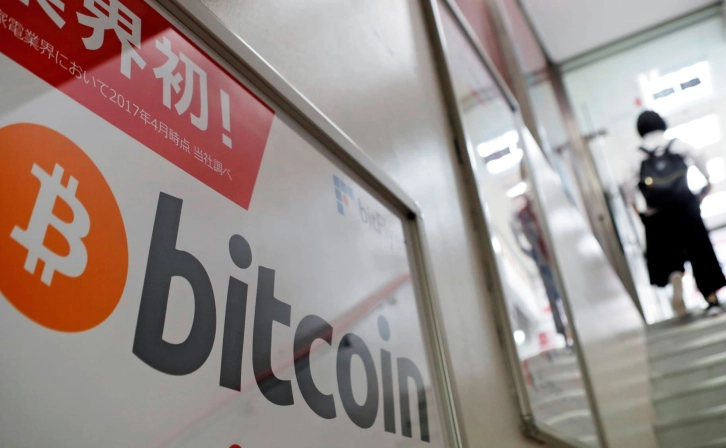
Overbought conditions certainly played a role in Bitcoin's decline on Monday.
The surprise election of Japan’s new prime minister revived BOJ tightening fears and sent markets lower. Overbought conditions have made bitcoin vulnerable to a selloff.
Several important US economic reports and Federal Reserve speeches are expected this week, which could affect the outlook on interest rates and prices.
After a rapid rise of about 14% following the US Federal Reserve’s 50 basis point interest rate cut about two weeks ago, a situation that could trigger a major selling wave on Bitcoin (BTC) and the election of a new prime minister in Japan over the weekend, this It seemed like a trigger.
In a surprise election, this country’s ruling party chose Shigeru Ishiba as the new prime minister. Without going too far into the internal affairs of Japan’s Liberal Democratic Party, it is widely accepted that Ishiba supports the Bank of Japan’s plan to normalize monetary policy; i.e. higher interest rates.
Following his election as Prime Minister, Ishiba demanded that early elections be held in late October.
As a reminder, a very modest interest rate increase at the end of July caused a sudden collapse in the yen carry trade and subsequently created panic in global financial markets; Bitcoin had fallen from around $70,000 to below $50,000.
The selling was so bad that the BOJ had to send in a former official to calm markets and announced that the bank would not raise interest rates again in 2024.
However, Ishiba’s election over the weekend led to a surge in the yen and a rapid 5% decline in Japan’s Nikkei stock index. It was observed that these sales also spread to bitcoin and the price dropped from approximately $ 66,000 to $ 63,300. At the time of writing, the price has recovered as high as $63,800 and is down around 3% from Friday.
European stocks were down about 1% in midday trading, while U.S. stock index futures also showed modest losses. Before the weekend moves, Bitcoin was riding a strong bull run after the Fed cut its policy rate by 50 basis points in mid-September.
One factor supporting this move was that China launched its own wave of economic and fiscal stimulus. The Shanghai Composite Index, which had its best week in a decade, rose another 8% on Monday.
Late last week, there were several indicators pointing to overbought conditions; One of these was perpetual funding rates for Bitcoin futures, noted CoinDesk analyst James Van Straten. These rates are approaching levels seen before the sell-off in late July and last August, Van Straten said.
This week brings the start of a new month, and with it many important economic reports and central bank speeches are expected. On Monday, Fed Chairman Jerome Powell may comment on the economic and monetary policy outlook at the annual meeting of the National Association for Business Economics.
On Tuesday and Thursday, US Manufacturing and Services Sector reports will be released by the Institute for Supply Management (ISM); On Friday, the September jobs report will be the main event. These data have the potential to influence the Fed’s interest rate decision at its next monetary policy meeting in early November.
Currently, markets are giving about two to three odds of a 25 basis point Fed rate cut, according to CME FedWatch. The Fed’s surprising 50 basis point move at its September meeting was the factor that triggered this latest bull move. A major change in the possibility of a rate cut in November could affect the price path again.