Can Cryptocurrencies Change Nigeria?
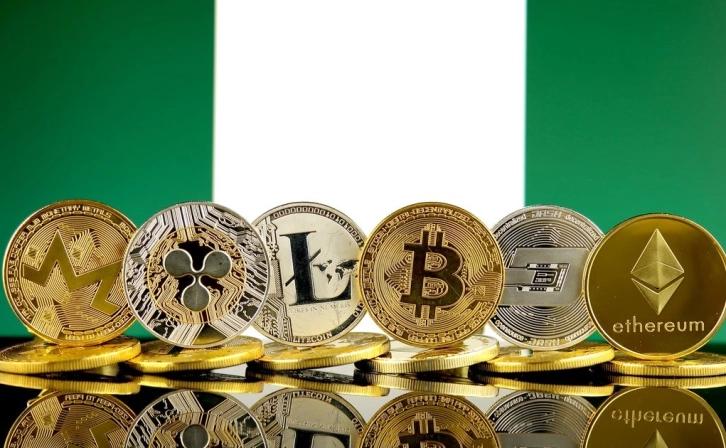
Nigeria's financial technology (fintech) sector has seen significant growth in recent years, and cryptocurrencies are at the forefront of this growth. Emomotimi Agama, Director General of the Nigerian Securities and Exchange Commission (SEC), believes that cryptocurrencies can make significant contributions to the country's financial system.
In his speech at the Capital Markets Scholars Association of Nigeria (ACMAN) Annual Conference in 2024, Agama predicted that the Nigerian cryptocurrency market could reach $52.5 million by 2028. This prediction indicates that the use of crypto money in Nigeria is becoming increasingly widespread and will increase further in the future.
A significant portion of the Nigerian population cannot benefit from banking services. Agama emphasizes that this situation creates a huge opportunity for cryptocurrencies. According to local news sources, about 33.4% of Nigerians own or use cryptocurrencies. This rate reveals the potential of cryptocurrencies to provide financial services to millions of Nigerians who are beyond the reach of the traditional banking system.
Agama pointed out the ease of access of cryptocurrencies and said, “Some people do not have a bank account, but they have cryptocurrency wallets.” The fact that opening cryptocurrency wallets is generally easy and that there are no bureaucratic procedures involved in opening traditional bank accounts increases the attractiveness of cryptocurrencies.
Agama thinks cryptocurrencies can not only provide financial access, but also make it easier for Nigerians living abroad to send money to the country. Nigeria is one of Africa’s largest remittance recipients. However, transfers made via traditional methods are subject to high fees. Cryptocurrencies such as Bitcoin offer fast and secure money transfers with lower fees.
Despite the opportunities offered by cryptocurrencies, some regulations need to be made in this area. Agama emphasizes that a clear regulatory framework is needed for the steady growth of cryptocurrency usage. This framework should protect investors from fraud and fraud, while also paving the way for the healthy development of the cryptocurrency market.
Another important issue mentioned by Agama is cyber security. Security vulnerabilities of cryptocurrency exchanges and wallets can lead to theft of users’ assets. Therefore, regulations need to tighten cybersecurity measures.
Finally, Agama highlights the importance of financial literacy. Since cryptocurrencies are a relatively new technology and investment tool, investors need to have a good understanding of how cryptocurrencies work, their risks, and benefits before entering this field.
The Nigerian government has begun taking steps to regulate the cryptocurrency market. In April, President Bola Ahmed Tinubu appointed Emomotimi Agama as the new chairman of the SEC. Agama was previously the Managing Director of the Nigerian Capital Market Institute (NCMI).
After taking office, the SEC introduced an amendment to the Digital Assets Issuance, Offering Platforms, Exchange and Custody Rules. This program provides a roadmap for virtual asset service providers (VASPs) to comply with new regulatory requirements. These regulations aim to make the cryptocurrency market safe and stable.