
Bitcoin and Crypto Investments Will Increase in States in 2025
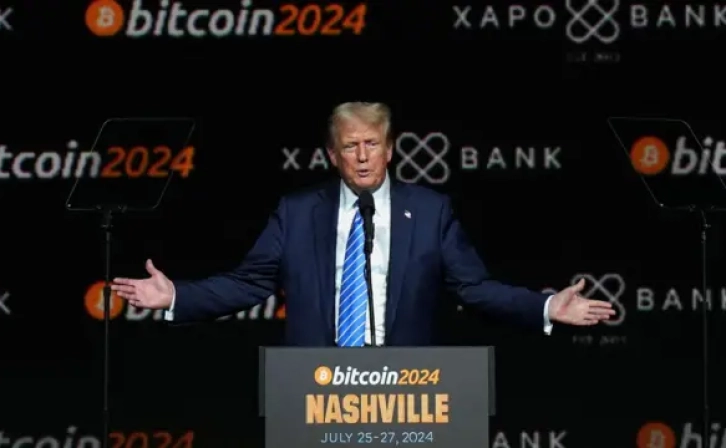
As the new year begins with President-elect Donald Trump's bitcoin-friendly administration, expanded lobbying efforts in states could prompt states to become more open to cryptocurrencies and public pension funds to invest in crypto.
Bitcoin advocates argue that the cryptocurrency offers a valuable hedge against inflation, similar to gold, and is therefore a potential opportunity for investors.
However, cryptocurrencies, especially digital assets with high volatility such as bitcoin, carry great risks. Critics note that such investments are highly speculative and their future returns are unpredictable. For this reason, they warn that investors should be prepared for losses.
So far, only a few public pension funds have invested in cryptocurrencies, while a recent study published by the US Government Accountability Office found that crypto investments in 401(k) plans have “particularly high volatility” and future returns are very difficult to predict. was done.
Despite this, bitcoin surpassing $100,000 and the U.S. Securities and Exchange Commission’s approval of the first exchange-traded funds to hold bitcoin led to greater acceptance of the crypto and sparked interest among investors.
The cryptocurrency world is on track to grow further in 2024, and experts expect crypto-friendly laws to come to the fore in many states in 2025.
As the Trump administration looks more favorably towards cryptocurrencies, the bill introduced by Senator Cynthia Lummis from Wyoming, which aims to create a federal bitcoin reserve that states can benefit from, could strengthen regulations in this area.
In Pennsylvania, a bill authorizing the state’s treasury department and public pension funds to invest in bitcoin was introduced last month, but it died without making any progress. However, the bill had a great impact in the states.
Republican Mike Cabell, one of the bill’s sponsors, expects his bill to be reintroduced, and bitcoin advocates predict such legislative initiatives will increase in other states.
Bitcoin investments for pension funds are still very new and are being approached cautiously. Pension funds generally operate with a long-term investment perspective of 30 years. However, some analysts think that pension funds may invest, albeit in a small way, in companies related to bitcoin mining, trading and storage.
In Louisiana, Treasury Secretary John Fleming made the state the first to allow people to pay a government agency with cryptocurrency. However, Fleming states that he does not intend to invest both his own money and the state’s funds in crypto.
Fleming, who has a cautious approach towards cryptocurrencies, is concerned that bitcoin may stop growing at some point and its value may decrease as people want to take out cash.
While pension funds are generally interested in low-risk and short-term investments, uncertainties regarding cryptocurrencies make them more cautious. However, many large asset managers have increased interest in cryptocurrencies by investing in bitcoin ETFs.
For example, the Wisconsin State Board of Investment became the first state fund to invest in crypto by purchasing shares of the bitcoin ETF. States such as Michigan and New Jersey plan to make similar investments.
The future of Bitcoin, interest in cryptocurrencies, and the possibility of retirement funds turning to cryptocurrency investments may continue to increase in more states until 2025. However, regulations and investments by governments and large pension funds in cryptocurrencies seem to proceed slowly and carefully.
In this process, although interest in crypto continues to grow, investors will have to consider the risks of cryptocurrencies with extreme volatility and uncertainty.