AssangeDAO Scandal: Transparency Issues and Cryptocurrency Community Reaction
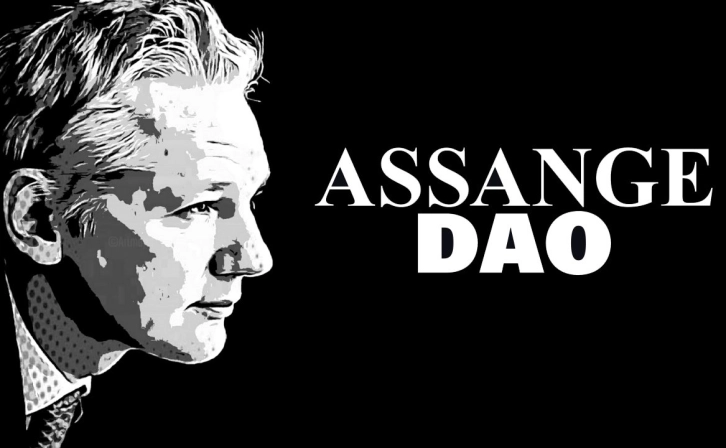
Julian Assange, the founder of WikiLeaks, is set to return to Australia after pleading guilty to a single charge of obtaining and disclosing classified information. This agreement, which has not yet received judicial approval, is seen as a significant development in the long-running legal battle between the Australian activist and the US government.
Citing filings with the US District Court for the Northern Mariana Islands, Reuters reports that Assange faces 62 months in prison. But he is unlikely to get additional time given he has already spent an equivalent amount of time in Belmarsh Prison in the UK. WikiLeaks confirmed via an X-post on June 25 that Assange had “released” from Belmarsh high security prison, where he spent more than 1,900 days.
Founded in 2010, WikiLeaks made headlines by leaking hundreds of thousands of classified US military documents related to the Afghanistan and Iraq wars. In 2017, the organization published documents revealing how Russia used state surveillance to spy on internet and mobile phone users.
This plea deal follows the conviction of former CIA software engineer Joshua Adam Schulte, who was sentenced in February to 480 months in prison for espionage, hacking, contempt of court, making false statements to the FBI and child pornography. Schulte’s crimes include leaking the largest portion of confidential data to WikiLeaks.
WikiLeaks’ journey intersects with the world of cryptocurrency, specifically Bitcoin. At one point, Assange attempted to raise funds with BTC when VISA, MasterCard, PayPal, Amazon and other financial institutions began refusing payments to WikiLeaks.
In a 2014 “Ask Me Anything” session on Reddit, Assange recalled that Bitcoin creator Satoshi Nakamoto opposed WikiLeaks’ use of the newly emerged cryptocurrency in 2010. At the time, Nakamoto expressed concern that being associated with WikiLeaks could negatively impact Bitcoin, which was in its infancy.
A few days before he mysteriously disappeared, Nakamoto again emphasized his stance on the potential consequences of the WikiLeaks-cryptocurrency relationship, saying “WikiLeaks has kicked the hornet’s nest and the swarm is coming towards us.” Despite this, Assange still invested in Bitcoin and reportedly made a 50,000% return. The current status of Bitcoin assets remains unclear.
Regardless, the cryptocurrency community has found a way to connect cryptocurrency to Assange’s story. Following the UK Supreme Court decision upholding Assange’s extradition in 2021, his supporters formed a decentralized autonomous organization (DAO) called AssangeDAO, advocating for his release. The campaign raised more than 17,400 ETH, with contributions from notable figures in the cryptocurrency world, such as Ethereum co-founder Vitalik Buterin.
But later, AssangeDAO faced criticism on transparency issues after blockchain analytics firm SlowMist identified suspicious transaction patterns as signs of an attempt to “soft rug pull.”